What Is Patient Coaching for New Hearing Aid Wearers?
A Saturday morning at the Fauquier Farmers Market comes with plenty going


By: admin | January 19, 2026
If you’ve ever taken off a hat or pulled a sweater over your head and heard a sharp crackling sound in your hearing aids, you’ve experienced the jolt of static electricity.
It usually happens during winter when the air is dry and you’re layering up in fleece, wool and synthetic fabrics that build up static as you move. Sometimes it’s just a quick pop that startles you. Other times it’s loud enough to be uncomfortable, or it temporarily disrupts how your hearing aids are working.
You might also notice more feedback or devices that seem unreliable during certain times of year, especially when indoor heating is running constantly and sucking all the moisture out of the air.
Dry air and static electricity don’t just create annoying sounds. They can actually interfere with how well your hearing aids function day to day.
Once you understand what’s causing the disruptions, you can take a few straightforward steps to minimize them and keep your hearing aids working smoothly no matter what the season or indoor conditions are doing.
Static electricity occurs when there is an imbalance of electric charge on the surface of an object. This usually happens when two materials rub against each other and electrons are transferred from one surface to another. One material ends up with extra electrons while the other has fewer, creating a buildup of electrical charge.
When that charge looks for a way to release, it can discharge suddenly, which is what we experience as a small shock or spark.
Dry air plays a big part in how noticeable static electricity becomes. Moist air helps charges move and dissipate more easily, while dry air allows them to build up and linger. This is why static is more common during colder months or in indoor spaces with heating systems that reduce humidity.
Everyday actions like walking across carpet, removing clothing or touching certain materials can all create the conditions for static buildup, even though we rarely think about it in daily life.
Colder months bring drier air both indoors and outdoors which makes static electricity more likely to build up. When humidity is low electrical charges do not dissipate as easily so surfaces and objects including hearing aids can carry more static.
This often results in sudden sounds and can cause brief interruptions in device performance. Heated indoor environments can make the problem worse because constant cold-weather heating reduces moisture in the air even further.
Clothing and fabrics also contribute to winter static issues. Hats scarves and jackets made from synthetic materials tend to hold more static which can transfer to hearing aids when you put them on or take them off.
Even normal movements or contact with certain surfaces can trigger unexpected crackles. These factors combine to make static problems more frequent and noticeable during the winter months creating challenges for consistent hearing-aid performance.
Static electricity can interact with hearing aids, especially because these devices rely on sensitive electronic components to process sound.
When a static charge builds up on your body or clothing, it can discharge when you touch or adjust your hearing aids. In most cases, this does not cause permanent damage, but it can briefly interfere with how the device functions. You may notice a sudden crack, pop or momentary change in sound quality when static is present.
Dry environments tend to increase how often this happens. Low humidity allows static charges to build more easily and linger longer, which makes brief interactions more noticeable.
Activities like putting on or removing clothing, using blankets or touching synthetic fabrics can increase the chance of static discharge near hearing aids.
While these interactions are usually temporary, repeated exposure can be frustrating and may contribute to inconsistent performance, especially during colder months or in dry indoor spaces.
Static electricity in hearing aids is more likely when dry air allows electrical charges to build up on surfaces. This is especially true in winter, when indoor heating dries out the air even more.
Some common causes include:
Dry air impacts both your hearing aids and your ears. Static can cause crackling sounds or brief interruptions in your devices, while dry skin inside and around your ears can become itchy or sore. This discomfort may make it harder to wear your hearing aids for long periods.
Adding moisture to the air with a humidifier and keeping your skin hydrated with gentle lotion can help reduce these problems. Habits like wiping down your hearing aids and drinking enough water also support comfort and device performance during winter.
Static electricity can affect how hearing aids perform, especially in dry environments. Recognizing the signs early can help you address the issue before it becomes more frustrating or affects daily listening.
You may notice certain changes that point to static interference rather than a larger device issue.
Common signs of static problems include:
During colder months, indoor heating becomes a constant part of daily life. While it keeps indoor spaces comfortable, it also changes the balance of moisture in the air. Heating systems warm the air without replacing humidity, which causes moisture levels indoors to steadily drop.
Low indoor humidity often goes unnoticed until related issues start to appear. Dry air can influence static buildup, skin comfort and even how small devices perform throughout the day.
Low humidity can lead to several common issues, including:
Static buildup is more common during colder months, but a few simple habits at home can help reduce its effects. Adding moisture to indoor air with a humidifier helps limit static electricity and eases overall dryness, including around your ears. Where and how you store your hearing aids also matters.
Keeping them in a clean, dry case when not in use helps protect them from excess dryness, dust and static exposure throughout the day.
Wearing these fabrics can reduce unwanted sounds and improve overall comfort when wearing hearing aids. Natural materials are often gentler on sensitive skin, though they may feel less warm or take longer to dry than some synthetic options.
Simple daily cleaning can further reduce static related issues:
Indoor air tends to become very dry during the winter, especially when heating systems run for long periods. Low humidity can increase static electricity, dry out the skin around your ears and make hearing aids less comfortable to wear. Adding moisture back into the air with a humidifier helps maintain a more balanced environment and can reduce these issues.
Humidifiers come in many styles, from small tabletop units to larger whole-room systems. Using one in the rooms where you spend the most time can keep the air from becoming overly dry.
This not only helps your hearing aids function more consistently but can also make breathing, skin and sinuses feel more comfortable.
Regular maintenance of a humidifier is important to get the full benefit. Cleaning the tank and replacing filters according to the manufacturer’s instructions prevents mold and bacteria from spreading in the air.
Keeping humidity at a moderate level is also key, as excessive moisture can create other problems in your home.
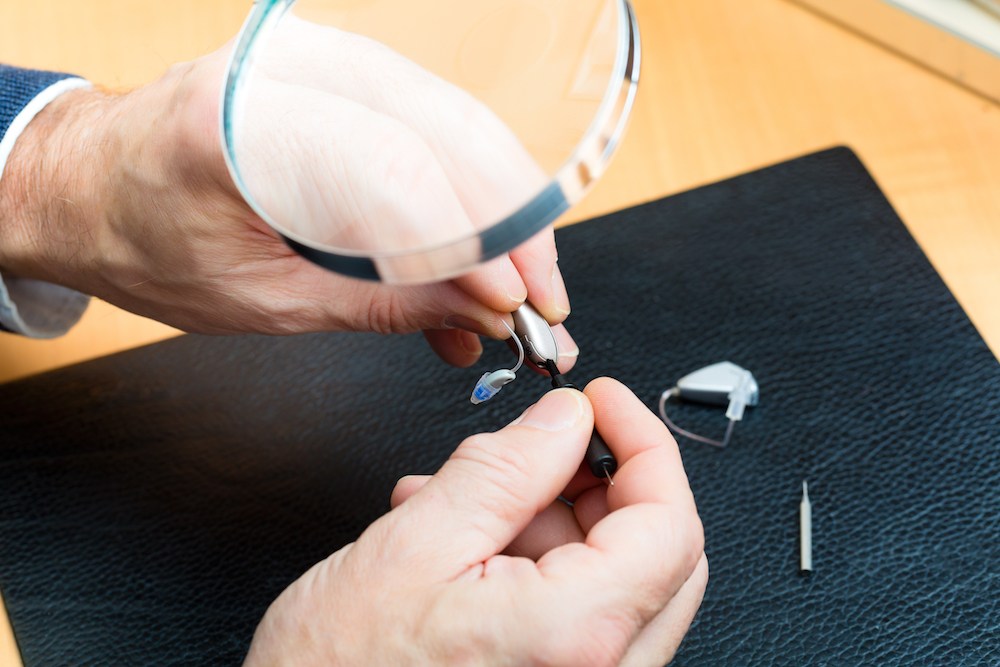
Hearing aids can sometimes produce static or brief dropouts, especially during dry winter months. Noticing these changes early is important because they may signal that your devices need inspection, cleaning or adjustment to maintain proper function.
A hearing specialist can assess your devices and pinpoint the cause of these issues. They can offer guidance on daily care, storage and handling to reduce static and improve performance.
Regular check-ins with a specialist help ensure your hearing aids continue to work effectively, providing consistent sound quality and a more comfortable listening experience.
Static and dry air can make winter months frustrating for anyone who relies on hearing aids. Those sudden noises or moments when your devices seem finicky are not just annoying. They can interrupt how well your hearing aids work day-to-day.
If you notice ongoing static or other issues, our team can help. Contact Victory Hearing Care in Warrenton, VA at (540) 207-7350 to have your devices checked, get guidance on care and storage, and make sure your hearing aids stay reliable throughout the season.
Tags: hearing aid basics, hearing aid repair, hearing aid styles
A Saturday morning at the Fauquier Farmers Market comes with plenty going
By: admin | July 26, 2026
Hearing aids are often the first piece of technology people think about
By: admin | June 25, 2026
If you’ve ever taken off a hat or pulled a sweater over your head
By: admin | January 19, 2026