What Is Patient Coaching for New Hearing Aid Wearers?
A Saturday morning at the Fauquier Farmers Market comes with plenty going
By: admin | July 26, 2026
A Saturday morning at the Fauquier Farmers Market comes with plenty going on, vendors calling out prices, kids running past and dogs barking near the produce stands. If you’ve picked up new hearing aids recently, a place like that can feel overwhelming fast, way louder and busier than you expected.
That reaction is normal, and it’s exactly why getting used to hearing aids takes more than just putting them in.
Patient coaching gives you someone to turn to when a sound feels strange, a setting feels too noisy or your hearing aids just do not feel right. Your hearing specialist can help you sort out what is part of the adjustment and what may need to be changed.
That can keep a small problem from becoming the reason your hearing aids stay in the drawer. You have a chance to ask questions, try a different approach and keep moving forward without feeling like you have to figure it all out yourself.
Hearing loss often changes slowly, so your brain may spend years working with less sound than it once received.
When hearing aids restore sounds that have been missing, your surroundings can seem louder or more detailed than expected. Voices, household noises and your own speech may all sound different until your brain becomes familiar with them again.
You are also learning how the devices fit into your routine, including when to wear them and how to handle them. Some listening situations will feel easier before others, especially when several people are speaking or noise is coming from different directions.
Regular use gives your ears and brain time to settle into these changes and makes the devices feel less unfamiliar.
Patient coaching helps you develop routines that support consistent hearing aid use. You can discuss how long to wear your devices, what to do when certain sounds bother you and how to approach difficult listening situations.
It also gives you a place to ask questions about communication, device care and problems that come up at home.
These conversations can keep a frustrating experience from becoming a reason to leave your hearing aids in the case. Instead of trying to solve every concern alone, you receive guidance based on what you are hearing and where you are struggling.
The first few weeks can be tiring because your brain is receiving sounds it has not processed clearly for some time. Running water, footsteps, dishes and paper may seem unusually sharp because your brain has not yet learned which sounds can fade into the background.
Your own voice may also sound louder or different than you remember. In a busy room, several noises may seem equally prominent, which makes following speech more demanding.
This extra processing can leave you mentally tired after conversations, errands or time with a group.
The more you wear your hearing aids, the easier it becomes for your brain to decide which sounds matter and which ones can fade into the background. Noises that felt sharp or distracting at first often become much less noticeable.
Starting in a quiet, familiar setting gives you time to learn how your hearing aids sound without taking on too much noise at once. You might begin by wearing them during breakfast, while watching television or during a conversation with one other person.
When those quieter situations start to feel easier, try wearing your hearing aids during a short errand or small gathering. You do not need to rush into the busiest places right away.
Some settings may take longer than others, and that is completely normal. If one feels like too much, step back and try it again another day. As listening becomes easier, you can slowly take on places with more people and noise.
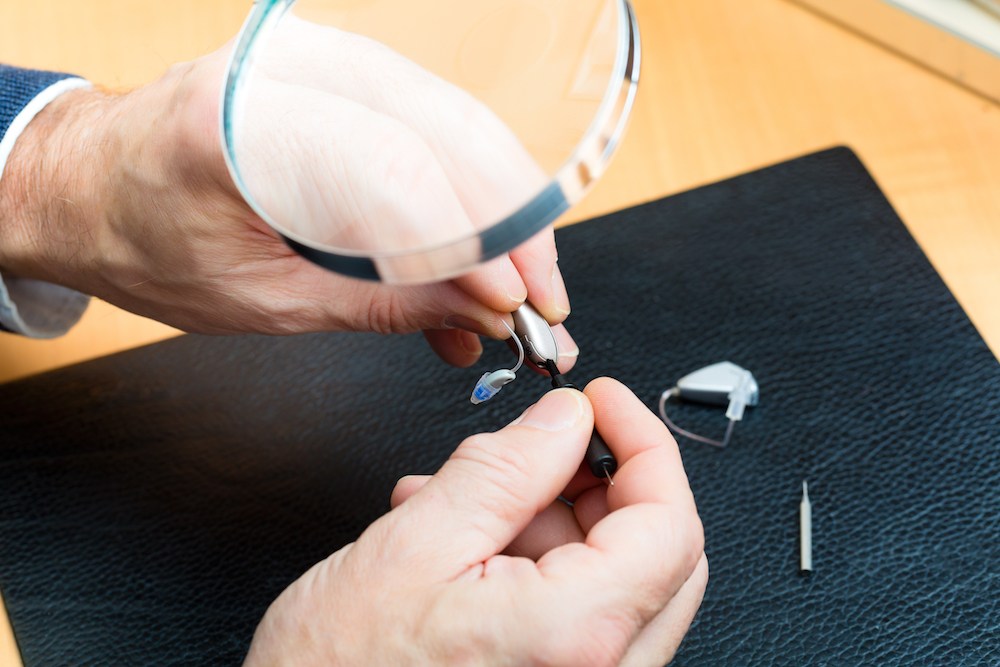
A simple routine can protect your hearing aids and reduce problems with sound, fit or performance. Until handling them feels familiar, work over a table or soft surface in case one slips from your hand.
Make sure your hands are clean and dry before touching any part of the device. Use the steps below as a basic morning and evening routine:
Hearing aids bring back sounds that may have become faint or easy to miss. Your brain then has to identify those sounds and decide which ones need a response. This is why adjusting involves more than simply noticing that something is louder.
A turn signal, rustling clothing or a fan in another room may catch your attention at first. You may hear the noise clearly but need a moment to recognize where it is coming from. That connection usually becomes faster as the same sounds appear again.
Naming a sound when you hear it can help with this process. It gives your brain a clear link between the noise and its source. As familiar sounds require less thought, it becomes easier to direct your attention toward speech.
Restaurants, public gatherings and other busy settings can still be difficult, even when your hearing aids are working properly. Several voices, music and room noise may reach you at the same time. Small changes to your position can reduce some of that interference.
At a restaurant in historic Old Town Warrenton, choose a table away from the kitchen, bar or main walkway when possible.
Keep the person speaking in front of you and place the loudest part of the room behind you. Sitting closer also helps without requiring anyone to raise their voice.
At community events across the Piedmont region, move away from speakers, doorways and large groups gathered in one area. Standing near a wall may also reduce sound coming from behind you. These adjustments give your hearing aids a cleaner speech signal to work with.
Some devices also include programs made for noisy places. Learning when to use them can make a difficult setting easier to manage. Your hearing specialist can explain how those features work and when they may be useful.
Hearing aids can improve access to speech, but the way people communicate still affects how much you understand. Friends and family can help by making a few small changes instead of simply repeating the same sentence louder. Sharing these preferences ahead of time also prevents frustration when a conversation becomes difficult.
Helpful communication habits include:
A few written notes can show where your hearing is improving and where you still need more practice.
Record how long you wore your hearing aids, which conversations went well and which sounds were difficult to identify. Include enough detail to remember the setting, such as who was speaking, how far away they were and what made the situation challenging.
You can then use those notes to choose a simple listening exercise at home. Read a short passage aloud to become more familiar with your own voice, or follow a television program with captions while listening for specific words.
You could also ask someone to read sentences from across the room and note which words are difficult to catch.
This approach gives your practice a clear purpose instead of repeating the same exercise each day. It also creates a useful record of changes that may be difficult to remember several weeks later.
Hearing aids may feel a little different at first, but they should not continue to hurt. If you keep hearing whistling, the device may be sitting out of place or something may be blocking the sound.
A quick inspection can often point to the source of the problem. Common causes include:
Discomfort or feedback that continues may require a change to the fit or repair of a worn component.
Adjusting to hearing aids takes time, and having someone walk you through it makes a real difference. Our team at Victory Hearing Care in Warrenton, VA can help you get comfortable at your own pace.
We’ll check in as your ears adjust and work through whatever’s giving you trouble. If new sounds still feel like a lot, that’s normal, and it’s what coaching is for. Give us a call at (540) 207-7350 to get started.
Tags: faqs, hearing aid basics, hearing aid repair
A Saturday morning at the Fauquier Farmers Market comes with plenty going
By: admin | July 26, 2026
Hearing aids are often the first piece of technology people think about
By: admin | June 25, 2026

If you’ve ever taken off a hat or pulled a sweater over your head
By: admin | January 19, 2026